5/11/26
Cybersecurity Challenges in the Telecom World: Protecting Networks in a Distributed, Data-Driven Era
Telecommunications networks face a wide range of cybersecurity threats, including large-scale data breaches, distributed denial-of-service attacks, legacy vulnerabilities, and emerging quantum threats that could compromise encryption.
Telecommunications networks differ from traditional IT environments because they are inherently expansive, heterogeneous, and often distributed across numerous cloud and edge sites. Modern operators manage a combination of centralized cloud infrastructure, regional data centers, 5G base stations, and edge devices, all of which present unique security challenges. In addition to standard threats such as ransomware, phishing, and distributed denial-of-service attacks, telecom networks must defend against sophisticated adversaries targeting network infrastructure, customer data, and signalling systems. These complexities are heightened by the need to support billions of connected devices and increasingly data-intensive services like video streaming, IoT telemetry, and cloud-native applications.
One of the enduring vulnerabilities in the telecommunications sector is legacy infrastructure and outdated systems that were never designed for modern threat environments. These systems, still prevalent in many networks, often lack the robust security features needed to resist advanced attacks and can be difficult or costly to patch or replace. Many 5G and IoT devices also lack straightforward upgrade paths, meaning insecure cryptographic protocols and outdated firmware may remain in active use for years.
The sheer size of telecom attack surfaces makes them especially attractive target for cybercriminals and nation-state actors alike. Data breaches of subscriber information, IMSI identifiers, and core network management accounts can not only compromise user privacy but also expose network infrastructure to further exploitation. One recent example highlighted how a coordinated attack on multiple telecommunications firms compromised millions of user records and internal network controls, underscoring the real-world impact of sophisticated cyber threats against telecom operators.
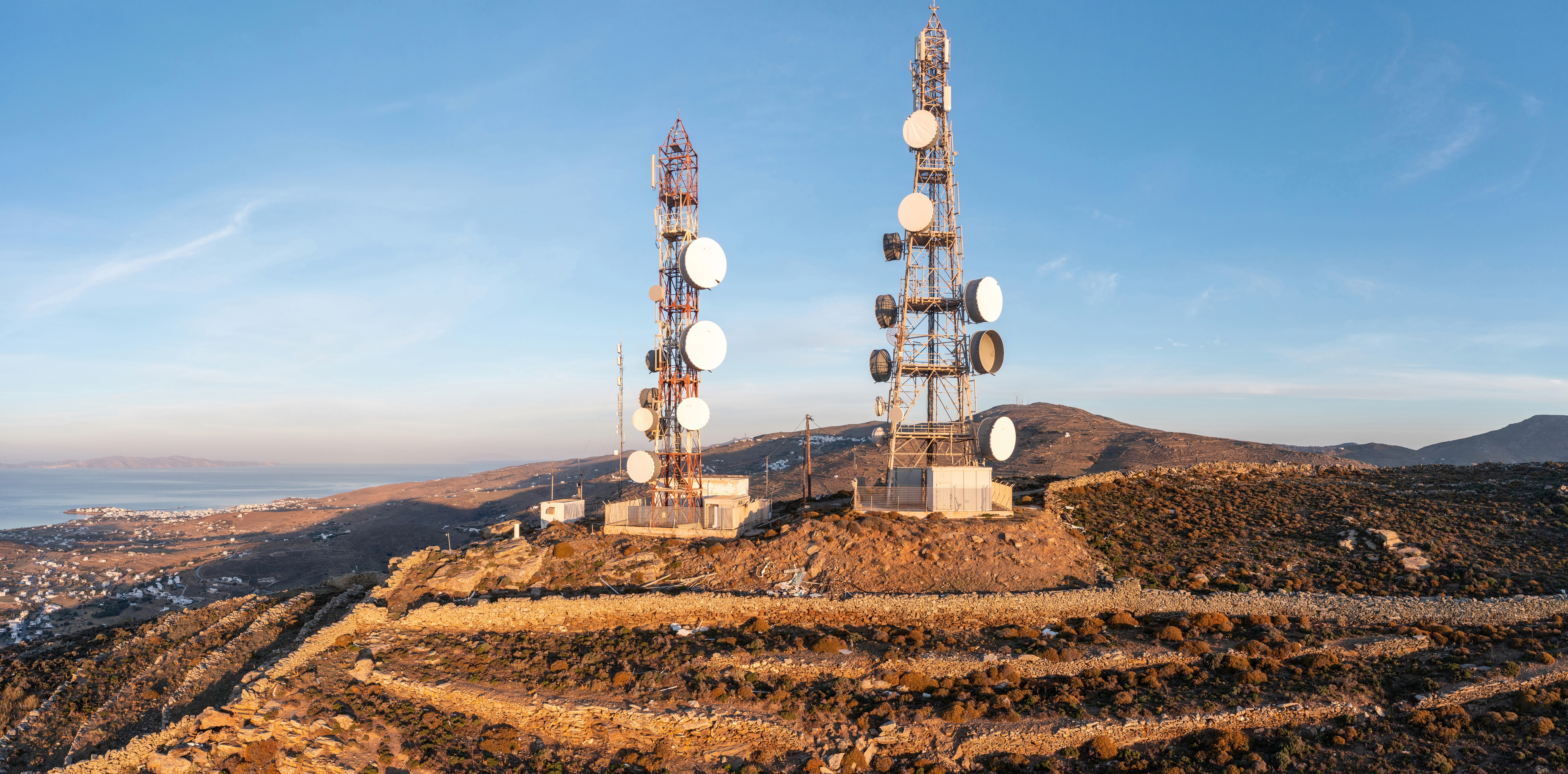
The transition to cloud and hybrid network architectures, while enabling flexibility and scalability, introduces its own risks. Cloud-based network functions, distributed data storage, and third-party APIs expand the number of interfaces that must be secured and monitored. If not properly configured or monitored, these systems can become entry points for attackers seeking to exploit weaknesses in access control, encryption, or data governance. In such environments, consistent identity management and zero-trust principles play a key role in reducing risk.
Telecommunications cybersecurity is also closely tied to protecting critical national infrastructure. Disruptions to telecom services can have cascading effects on emergency response systems, financial networks, and public safety communications. The industry’s dependence on third-party vendors and complex supply chains can introduce additional risk if components or software from external suppliers contain vulnerabilities or are not kept up to date.
Beyond these current threats, the telecommunications sector must also contend with emerging risks from quantum computing, which could undermine the cryptographic foundations that protect network communications and user privacy. According to industry guidance, “The evolution of quantum computing capabilities poses a threat as they have the potential to render obsolete the most used cryptographic algorithms, such as public key cryptography, which underpin the cyber security solutions we rely on today to keep information and communications safe.” Operators are urged to plan now for post-quantum migration to prevent future attacks where encrypted data is harvested today for decryption once quantum computers mature, a strategy known as “store now, decrypt later.”
Industry organizations like 5G Americas also emphasize the dual nature of quantum computing as both an opportunity and a security risk, noting that “Quantum computing represents both a transformative opportunity and a significant challenge for the telecommunications security.” This acknowledgment from a leading telecom industry alliance highlights the urgency of incorporating quantum-safe planning into long-term network security strategies.
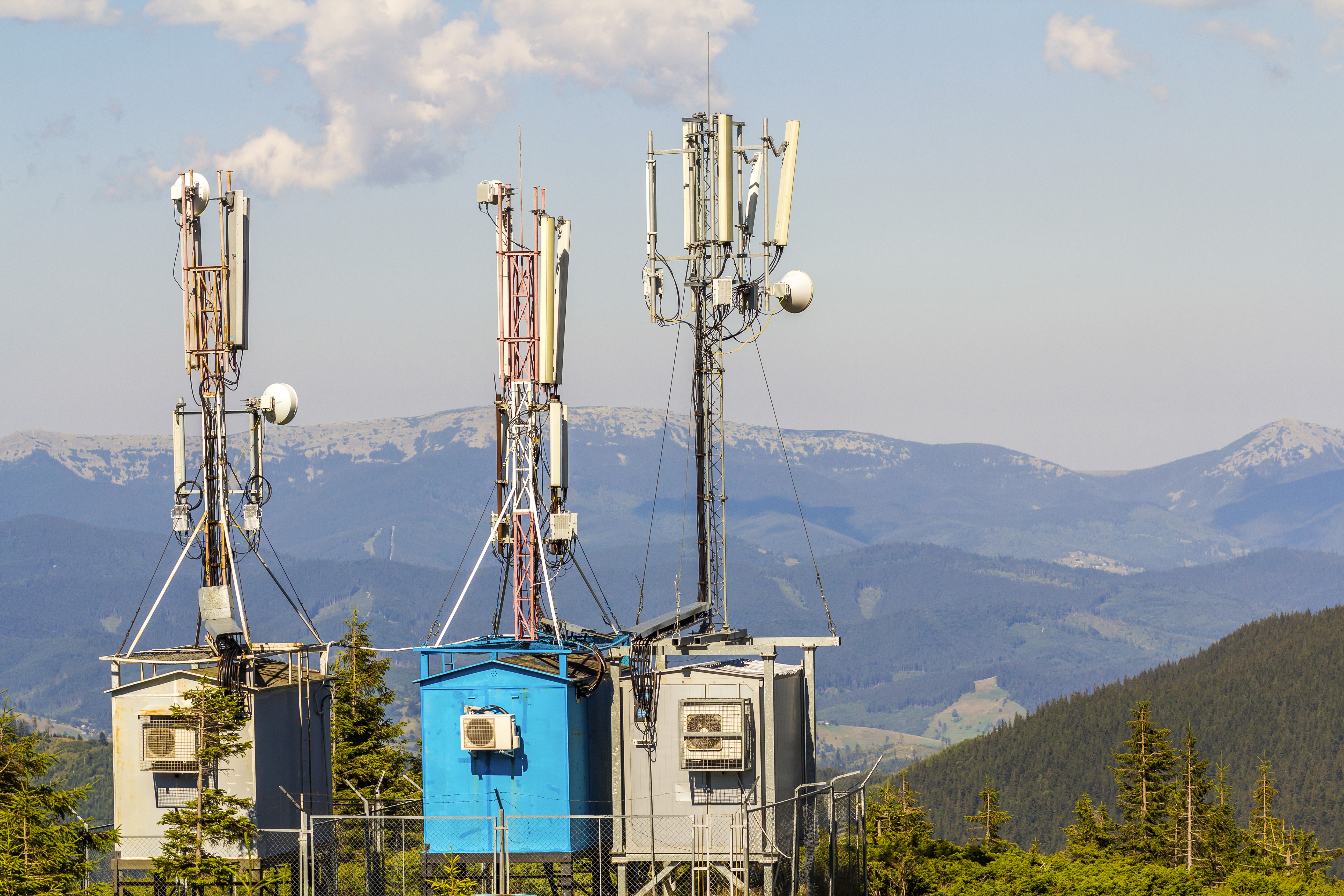
In practical terms, transitioning to post-quantum cryptography within network environments is technically and operationally challenging. Telecom networks are distributed ecosystems with many types of hardware, software, and protocols. Ensuring that quantum-resistant algorithms can be deployed consistently across hybrid cloud, edge, and legacy systems without degrading performance or interoperability is a complex task that requires coordination across vendors and deep integration with existing security frameworks.
Operators must also deal with increased key sizes and computational overhead associated with many post-quantum cryptographic algorithms. These demands can strain bandwidth, latency performance, and device resources, particularly on IoT endpoints or edge equipment with limited processing power. Encouragingly, research and testing efforts continue to explore optimization and hybrid cryptographic approaches that support gradual transition without significant disruption.
Given these layered threats, cybersecurity experts often emphasize that defense in telecommunications requires a multi-layered, adaptive strategy. While a specific telecommunications executive quote focused solely on these challenges is scarce in open sources, security professionals broadly reinforce that proactive risk management, continuous monitoring, and resilient architecture are central to defending complex networks in the 5G era and beyond. Industry analyst perspectives on cloud and network security underscore that visibility across distributed systems and layered defenses remain indispensable.
ready to secure your data?