5/14/26
When the Physical and Digital Worlds Collide: Emerging Cyber-Physical Threats
As digital systems take control of physical processes and physical infrastructure becomes networked, security threats increasingly bridge the physical and digital divide.
In today’s interconnected world, the line between cyber and physical security has practically disappeared. Organizations are no longer protected by distinct “digital” and “physical” perimeters. What happens in cyberspace can disrupt physical operations, and what starts as a physical breach can compromise digital assets in ways that ripple through entire networks, supply chains, and societies.

The United States Cybersecurity and Infrastructure Security Agency has explained this convergence in practical terms. According to CISA, when cyber and physical security teams operate in isolation, they lack “a holistic view of security threats targeting their enterprise.” Because threats now routinely span both domains, this siloed approach increases the likelihood of successful attacks that can lead to “compromise of sensitive or proprietary information, economic damage, disruption of National Critical Functions, or loss of life.”
This reality is reflected in real-world incidents where cyberattacks have led to observable physical effects. For example, ransomware on critical infrastructure such as pipelines has resulted in shutdowns that caused fuel shortages and economic disruption. These hybrid attacks illustrate how digital intrusions can quickly manifest as major physical issues when control systems are compromised.
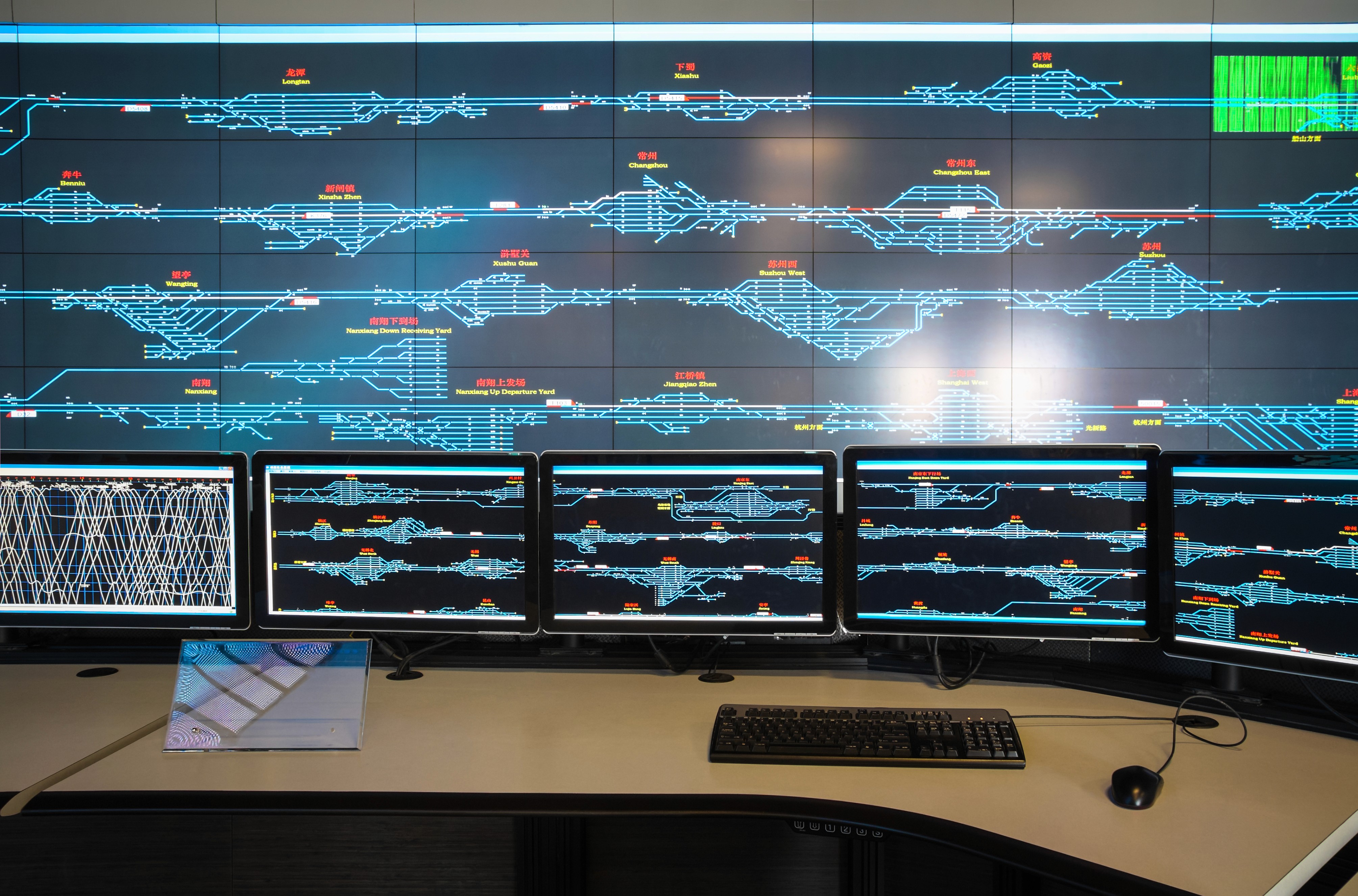
Threats emerge from multiple directions. When operational technology (OT) systems controlling industrial processes (such as manufacturing or energy grids) are connected to networked information technology (IT) environments without adequate protections, attackers can exploit the interface between them to cause physical malfunctions or outages. These are not hypothetical risks. Targeted attacks on OT have caused real infrastructure disruptions, leading to broader effects on commerce and public services.
The proliferation of smart devices and the Internet of Things has further expanded the attack surface. Sensors and controllers that once served isolated physical environments are now Internet-connected, making them vulnerable entry points into private networks. A vulnerability in a sensor network could allow an attacker to see operational data, inject commands, or disrupt system behavior. The scope and scale of these risks are magnified when entire cities, industrial plants, or supply chains rely on these interconnected systems.

In addition to broad OT risks, the concept of “blended threats” has gained prominence in cybersecurity discourse. As defined in the Department of Homeland Security’s risk lexicon, a blended threat involves coordinated or simultaneous physical and cyber attacks that can harm people, information, infrastructure, and operations. Examples include malware like Stuxnet and Triton that specifically targeted cyber-physical control environments or ransomware that resulted in real-world operational disruptions.
The complexity of these threats means traditional defenses may no longer suffice. Cybersecurity architecture that focuses solely on digital protections can miss vulnerabilities in physical control systems. Likewise, physical security teams that treat cybersecurity as separate risk mitigation may overlook the digital mechanisms that enable physical harm or system compromise. Because cyber and physical systems now operate in tandem, defenders must consider how a breach in one domain amplifies risk in the other.

This convergence has operational consequences for both public and private institutions. Critical infrastructure such as energy grids, water treatment facilities, transportation networks, healthcare systems, and manufacturing operations are increasingly controlled by digital logic. If attackers gain access to these controls, the resulting damage could range from operational outages to safety failures or loss of life. Understanding and mitigating these risks requires a unified approach that blends cybersecurity, physical security, engineering safeguards, and real-time threat intelligence.
This is where organizations like Exatect play a critical role. Exatect helps enterprises understand and secure the full spectrum of cyber-physical risk by providing solutions that unify visibility across digital control networks and physical systems. By combining deep insights into operational technology, industrial control systems, and traditional IT environments, Exatect enables security teams to identify vulnerabilities before they can be exploited and to build defenses that recognize the interconnected nature of modern risk.
Exatect's approach includes threat modeling tailored to cyber-physical environments, real-time monitoring of both digital and physical signals, and governance frameworks that help organizations prioritize protection strategies across both domains. By integrating cyber and physical security insights, Exatect helps reduce blind spots that occur when these domains are treated separately. This enables organizations to defend against hybrid threats more effectively and maintain operational continuity even when one aspect of their infrastructure is targeted.
As the physical and digital worlds continue to become more tightly linked, cybersecurity must evolve. It is no longer sufficient to secure networks, applications, or data in isolation. Organizations must build resilient systems that account for the complex interplay between digital commands and physical outcomes. Understanding and responding to these converged threats will be one of the defining challenges of cybersecurity in the decades ahead.
ready to secure your data?